First Aid Training Solutions Tailored for Your Industry Needs
December 23, 2025
How Corporate Team Building Workshops Improve Employee Engagement
January 15, 2026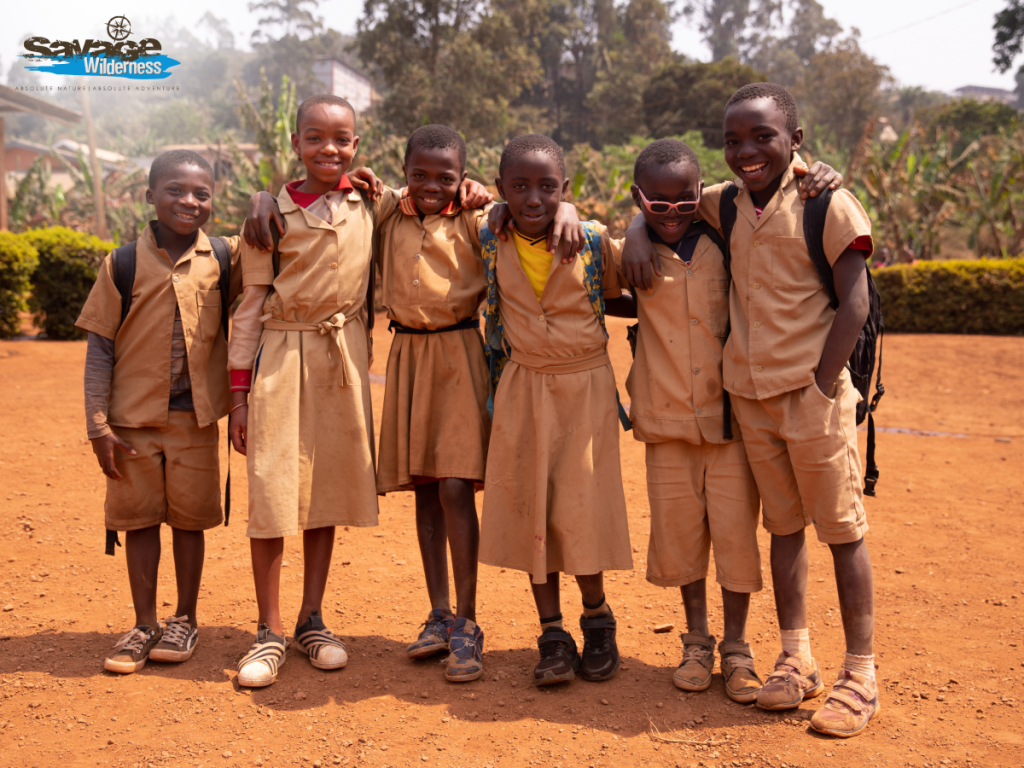
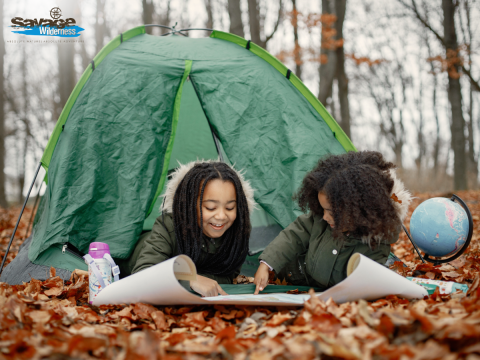
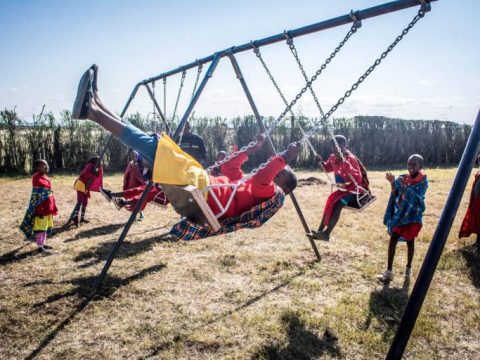
Field trips are important in supplementing classroom education, as they provide the students with practical experience outside of textbooks. Outdoor learning in schools is gaining popularity in Kenya with nature field trips, cultural field trips, and wildlife field trips. We also think that well-designed trips, besides being educative, can contribute to curiosity, collaboration, and environmental awareness at Savage Wilderness. This guide will provide an explanation of how to organise successful local Kenyan school educational trips that are safe, engaging and impactful.
1. State precise pedagogical goals.
It is the clear learning goals that underlie the success of any school trip. The schools should ask the question, ‘What do we want students to learn?’ before making a decision on the destination. Goals can be learning about wildlife conservation, the geography of Kenya, learning about history and culture, or developing life skills (leadership and team building). As soon as the goals are set, it is possible to structure the trip according to the curriculum, and learning becomes more significant and quantifiable.
As an example, visiting a wildlife conservancy can contribute to the learning of biology and the environment, whereas cultural centres can enrich the learning of social studies and history classes. Specific objectives will make sure that local Kenyan school educational trips are not merely field trips but will be learning trips.
2. Select the Perfect Destination.
In Kenya, there exists a multifarious variety of educational sites, which can be preferred by people of various ages. There are the national parks, nature reserves, forests, museums, cultural villages, and outdoor learning centres that provide good learning opportunities. In choosing a destination, one should focus on accessibility, safety, education, and age of students.
Savage Wilderness focuses on nature-based destinations which integrate adventure and learning, hence making sure that the students get into contact with rich biodiversity in Kenya in a secured and instructed setting. Selecting the appropriate destination will assist in maintaining the interest of students, as it will support classroom learning.
3. Put Safety and Risk Management First.
The first thing that is considered when organising school trips is safety. Risk assessment and sufficient supervision should be carried out in schools, and they should collaborate with seasoned tour operators. There should be emergency procedures, first-aid preparedness, and good guidelines in the minds of students.
Parents must be made aware of safety, accommodation (where necessary), transportation plans and supervision ratios. Such reputable companies as Savage Wilderness are aware of child safety, and all activities provided are of the necessary standards, and this is why local Kenyan school educational trips are not only entertaining but also safe.
4. Create a Balanced Itinerary
The itinerary should be organised with a right mix of learning, recreation and rest. Excessive work on these activities in students can decrease learning, or excessive freedom can cause boredom. Design activities which facilitate participation, observation and reflection.
Add guided learning, interactions, group discussion, and breaks. In the case of multi-day trips, students must be well rested and fed. The timetable should be balanced to keep the students active and concentrated during the trip.
5. Prepare Teachers and Students.
Learning is improved through preparation. Teachers have the opportunity to pre-introduce the topics on the trip, whereas students could do research on their destinations, wildlife, or cultural practices they will experience. This creates enthusiasm and enhances knowledge on the trip.
6. Collaborate with professional education tour operators.
Using the services of a professional tour operator makes it easier to plan and enhance quality. The advanced providers will be involved in logistics, guides, safety and planning of activities so the teachers can concentrate on the students.
Savage Wilderness collaborates with schools, planning tailored educational trips for schools according to the objectives of learning, budgets, and age. Professional support makes the execution of the process smooth and maximally educational.
Conclusion
Effective planning of successful local Kenyan school educational trips must have clear goals, proper choice of destinations, robust safety, and well-considered cooperation. These trips grow inquisitiveness, environmentalism, and practical knowledge in the students when properly implemented. The help of Savage Wilderness can also help schools make educational trips memorable learning experiences that will mould the young minds to come.